
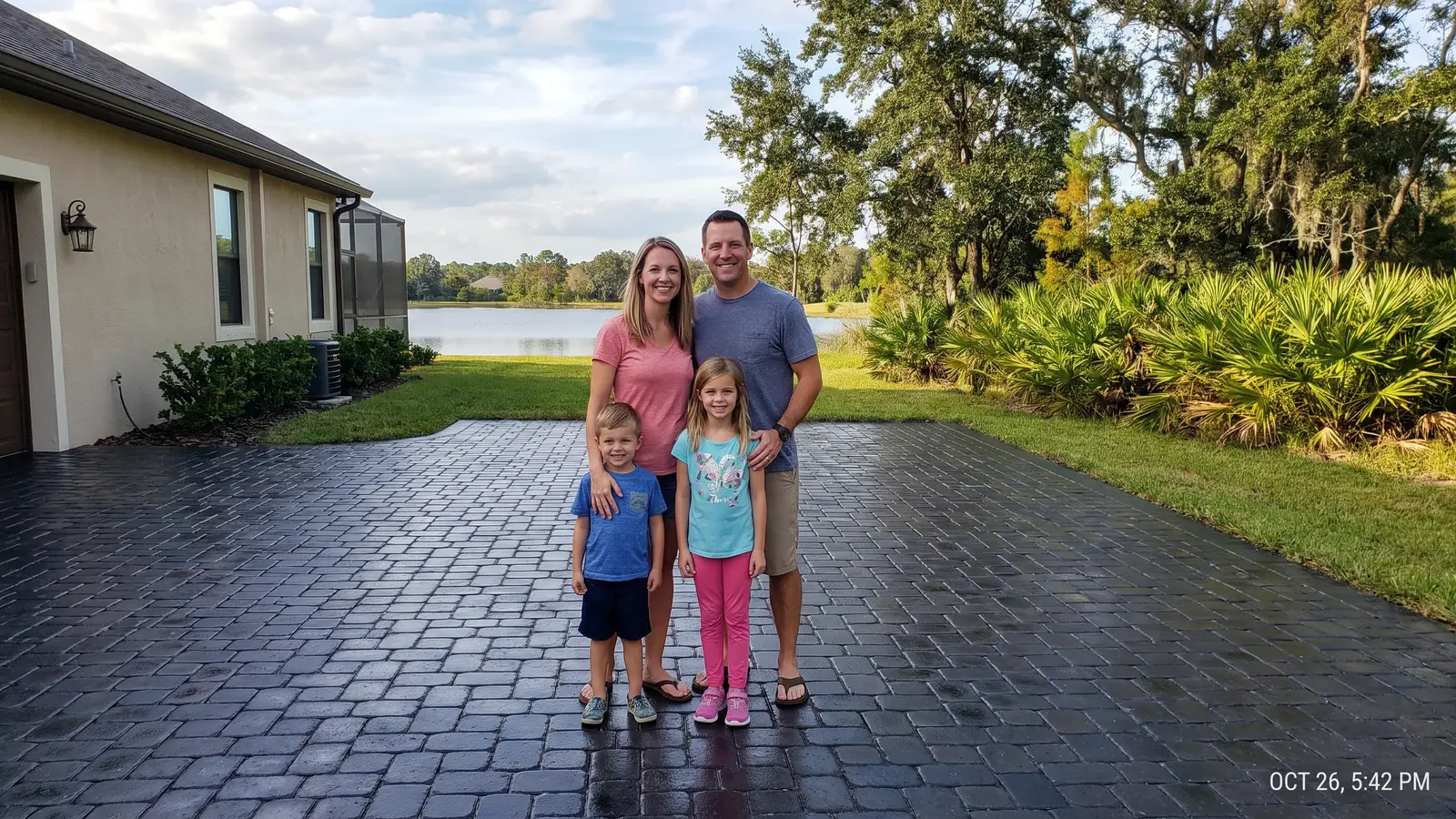
Take rust, oil and leaf marks off your pavers
Paver Stain Removal in Asbury Lake, FL
Clear the orange, black and brown marks from Asbury Lake pavers, and call (904) 736-4863 for a free estimate.
- Brings out deeper paver color
- Fresh joint sand helps lock pavers in place
- Gives weeds less room to grow
- Makes the surface easier to keep clean
- Free estimate, no obligation
Request a Free Estimate
Free, no obligation.
Who removes paver stains in Asbury Lake, and how fast do they reply?
A local contractor treats paver stains at Asbury Lake homes, and requests are answered within 1 business day, usually sooner. The visit and estimate are free, with no obligation to go ahead. Call (904) 736-4863 to get on the schedule.
Stains on pavers come in a few types, and each one needs its own treatment. Rust from sprinklers, oil from a parked car and dark marks from leaves do not respond to the same product. Naming the stain correctly is half the job. Send a photo, or describe where the mark is and how long it has been there, when you ask for a free estimate.
Paver Sealing Asbury Lake Is Proud to Serve Northeast Florida
What are the stains on my Asbury Lake pavers?
Three show up most around here: rust from irrigation, oil from vehicles and tannin from leaves and pine needles. Efflorescence, the white haze of natural salts, is sometimes mistaken for a stain, and it clears on its own over time. A contractor sorts them by color and location. Walk the area and note each spot before you ask for a free estimate.
Orange or red-brown
Usually iron, which UF/IFAS links to Florida well water and the rust it leaves where sprinklers spray.
Dark and shiny
Oil and grease. A Northeast Florida washing company says water alone will not move it.
Brown or gray patches
Tannin from leaves and pine needles, which sit on damp pavers and leave a mark.
White and chalky
Probably efflorescence. Unilock says it can take two to three months, or up to a year, to fade.
Why do rust stains keep returning near my sprinklers?
The water is the source. Because iron runs high in most Florida well water, says UF/IFAS Extension, every cycle drops a little more on the stone beside the sprinkler head. Treating the mark without fixing the spray means it returns. A quick look at where the heads aim can show why before you ask for a free estimate.
A Northeast Florida washing company says rust needs a rust treatment and a rinse, and that more pressure makes it worse. Test a small area first on painted surfaces, it adds. For a treatment plan, call (904) 736-4863.
How are oil stains on a paver driveway handled?
Oil soaks into the paver, so a rinse leaves the shadow behind. Unilock says dedicated paver cleaners are the right tool for oil and grease, and a Northeast Florida washing company says oil needs a method beyond water. The contractor tests a hidden spot first. To get a drip pattern treated, call (904) 736-4863.
Fresh oil is easier than old. Soak-in time makes the stain deeper and less likely to lift fully, so a call early is worth it. Share how long the spot has been there when you ask for a free estimate.
What causes dark leaf and pine needle marks?
Tannin. The USDA lists longleaf pine, slash pine and water oak as part of the natural cover on Leon sand, and in a neighborhood with mature trees that litter piles up on shaded patios. A Northeast Florida washing company says a surface cleaner evens the stain out and sealer helps stop it from setting in. To get shaded pavers treated, ask for a free estimate.
Prevention is easy to describe. The fewer days wet leaves sit on the surface, the lighter the mark. Ask about a sealed finish when you call (904) 736-4863.
Should stains come out before the pavers are sealed?
Yes. Unilock says to clean stains before sealing, because the coat locks them in and can make them stand out more. A pool-stone guide says the same about sealing over dirt. The order is stains, then wash, then dry, then sealer. To plan both stages, call (904) 736-4863.
Dry time follows. Unilock asks for 24 hours of drying after cleaning and up to 48 hours of dry weather after sealing. If you want one visit for everything, say so when you ask for a free estimate.
Why not just scrub with a wire brush or turn up the pressure?
Both can make things worse. Unilock warns that wire brushes leave metal particles that can rust, and says high pressure blows sand out of the joints, so it suggests a fan nozzle at about 30 degrees. A rust stain pushed with more pressure spreads and stays, a Northeast Florida washing company notes. To have the right tools used on yours, call (904) 736-4863.
Gentler tools and the right chemistry do more. Ask a contractor how they match the cleaner to the stain and the paver, and how they protect the plants beside it. When you are ready, ask for a free estimate.
Can white haze on pavers be mistaken for a stain?
Often, yes. Efflorescence is a chalky film of natural salts that rises through concrete pavers, and it looks like a mark that needs scrubbing. Unilock says it typically clears within two to three months, and sometimes takes up to a year, so treating it early may only waste money. A contractor can tell it from a true stain in a minute. To have a pale patch checked, call (904) 736-4863.
The mix-up matters before sealing. Sealing over haze that is still rising traps moisture, according to Unilock, and can bring more of it. Newer pavers may only need patience, so give the install date when you ask for a free estimate.
Does the stain type change how fast I should call?
Usually it does. Oil keeps sinking while it sits, so a fresh drip gives a contractor a better chance of lifting it fully. Rust from a sprinkler builds a little with each cycle, which means a small mark this month is a wider one later. Tannin from wet leaves darkens the longer the litter stays. To get an early look, call (904) 736-4863.
None of this means panic. A stain that has been there a year can still improve a lot with the right treatment. Say how long each mark has been there when you ask for a free estimate.
What will stain treatment not fix on pavers?
Stain work lifts what sits in the surface, and some problems lie deeper. A cloudy or peeling old coat has to be stripped, since a Northeast Florida washing company says failed sealer is not coated over. Sunken pavers need leveling, and no cleaner raises them. Cracked or chipped pavers may need replacing. If you are not sure which problem you have, call (904) 736-4863.
A contractor can sort stain from damage during one visit and tell you which part needs a different job. The restoration page covers resets for worn surfaces, and sealing comes after. To start with a look, ask for a free estimate.
Do pool decks and lanais near Asbury Lake need stain treatment too?
They can. A pool-stone guide says salt and chlorine residue builds up when it dries over and over, and that sealing over dirt locks stains in. Splash zones and the spots under potted plants are the usual trouble areas. Rust marks also appear where an irrigation head reaches the deck edge. To get those corners looked at, call (904) 736-4863.
Wet decks bring one more concern, which is footing. Algae and dark film make a surface slick, so treating them is about safety as well as looks. Mention who uses the deck when you ask for a free estimate.
What will my pavers look like after stain removal?
Expect the marks to fade a lot, and sometimes disappear. Deep, old stains can leave a faint ghost, because the paver is porous and the stain has soaked in. Sealing afterward evens the tone and makes new stains easier to rinse. To see what yours will do, call (904) 736-4863.
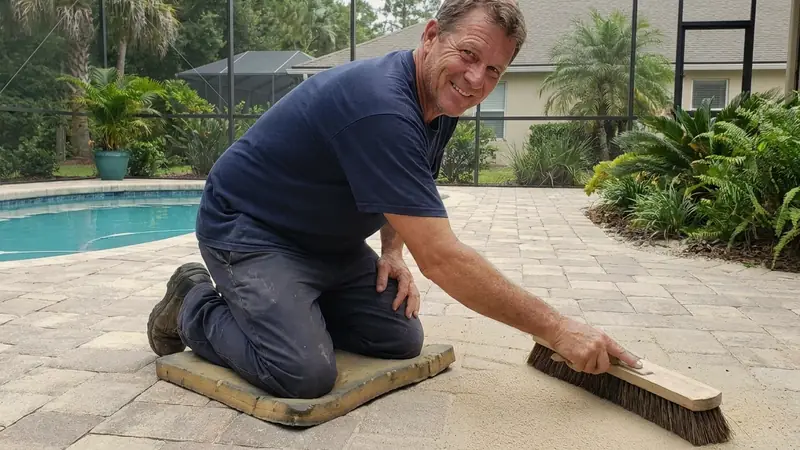
Fresh joint sand helps too. Clean joints against clean pavers read as a repair, not a patch. Point out the edges and gaps when you ask for a free estimate.
What does paver stain removal cost in Asbury Lake?
No page opened for this site publishes a price for stain treatment. This table lists the pieces that are published and marks where there is no figure. The clean, sand and seal range comes from a Northeast Florida washing company, and the contractor prices a stain after seeing it. To get a number, ask for a free estimate.
Treat any one flat price for rust or oil with care until you know how big and how old the stain is. Ask for the treatment on its own line.
| Part of a stain job | Published figure | What moves it |
|---|---|---|
| Rust treatment and rinse | No rate published | Size of the stain and how old it is |
| Oil treatment | No rate published | How deep the oil soaked in |
| Leaf and tannin cleaning | No rate published | Shade, damp spots and number of areas |
| Clean, sand and seal afterward | $1.75 to $3.25 per sq ft | Condition of joints and old sealer |
Example at 400 sq ft: the clean, sand and seal range comes to $700 to $1,300 on top of any stain work. Math uses the $1.75 to $3.25 per square foot that one Northeast Florida washing company publishes for the full clean, sand and seal.
What can I do before the contractor arrives?
A few simple steps help the visit go quickly. Move vehicles and furniture off the stained area and note which sprinkler heads hit the pavers. Do not apply home remedies, because they can set the stain or change how a treatment works. To tell a contractor what you have, call (904) 736-4863.
- Take a photo of each stain in daylight
- Mention how long each mark has been there
- Say what has already been tried on it
- Point out sprinkler heads and shaded corners
- Note a pool, plants or painted surface next to the pavers
Why choose a local contractor for paver stain removal?
A local contractor has seen the same orange sprinkler streaks and oak leaf marks on other Clay County driveways, which saves guesswork. Wikipedia puts Asbury Lake at about 17 square miles and 30 feet above sea level, with Black Creek along its north edge, so low, damp ground is part of the picture. To book a visit, call (904) 736-4863.
A test spot first
Treatments are tried on a small hidden area before the whole surface.
The stain named
Rust, oil and tannin each get their own plan.
A written price
Take it home and decide in your own time.
Ready to clear the stains?
Send a quick request or call, and a reply comes within 1 business day, usually much sooner.
Free, no obligation
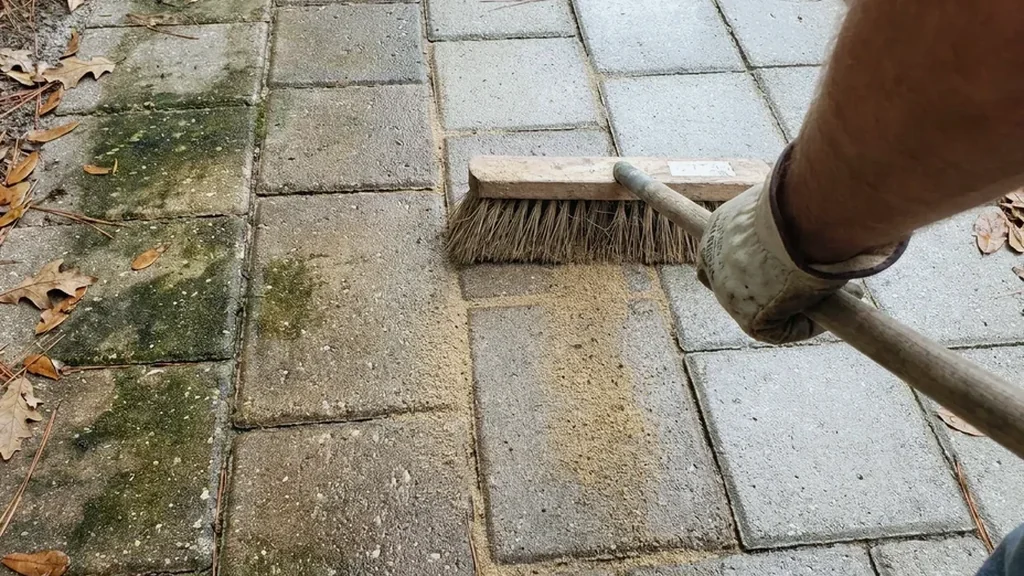
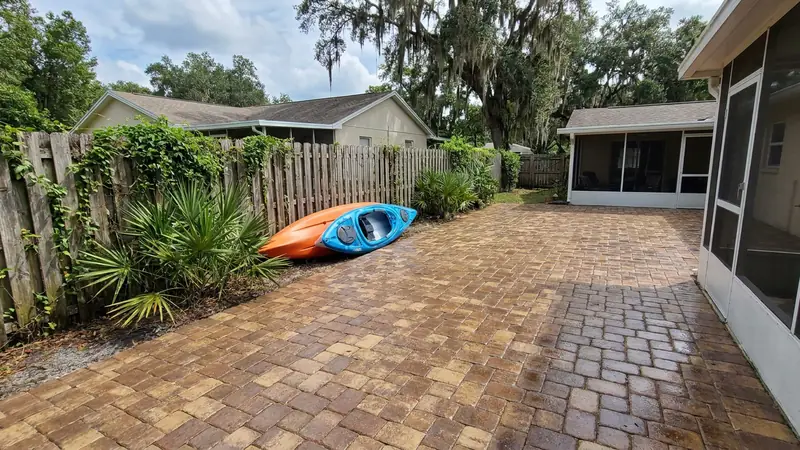
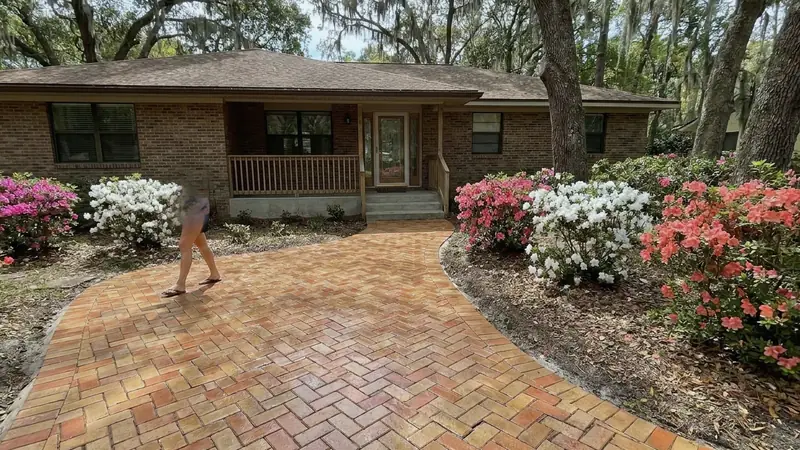
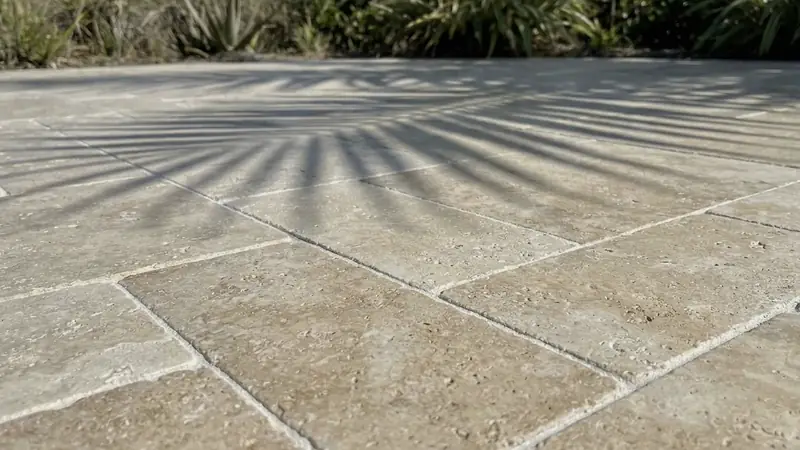
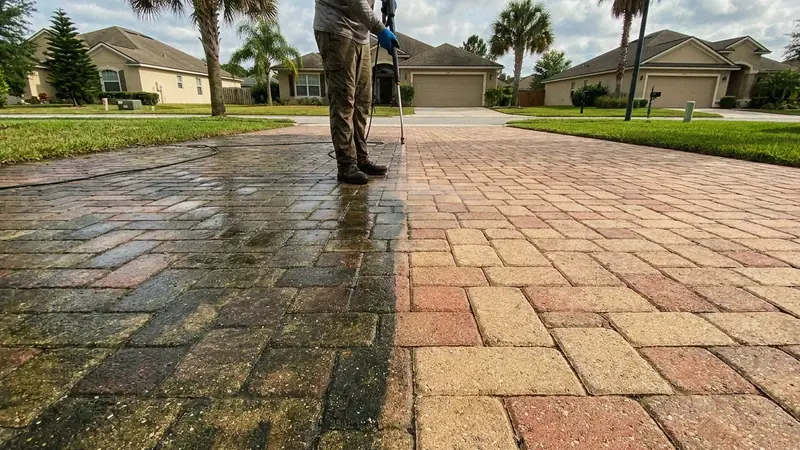
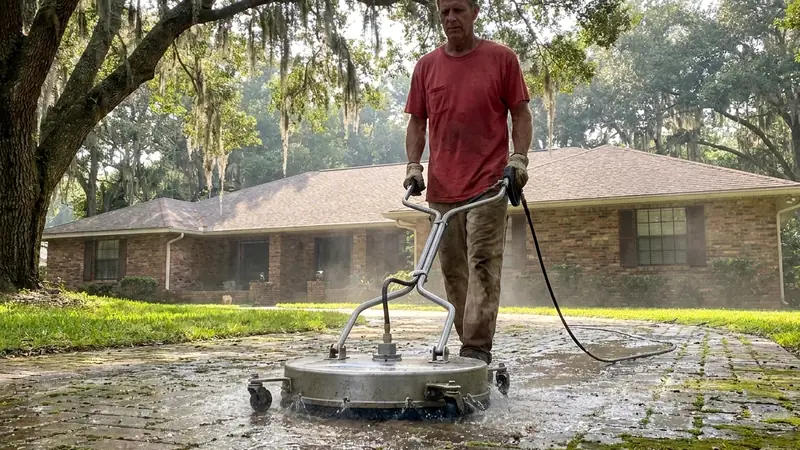
How do stained pavers look once the marks are treated near Asbury Lake?
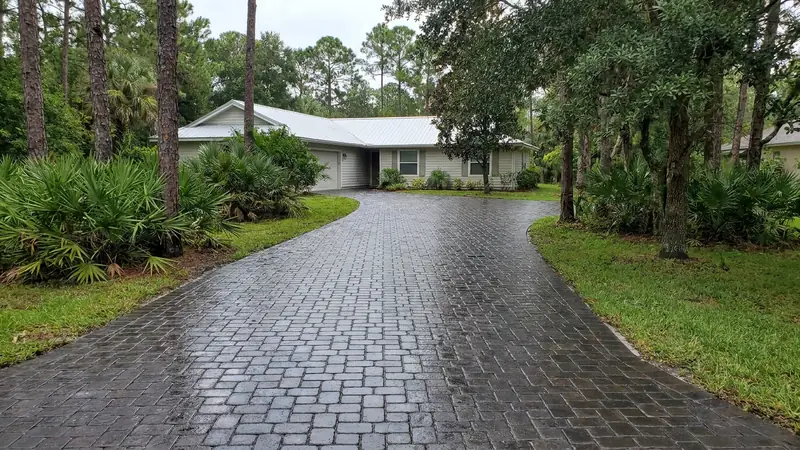
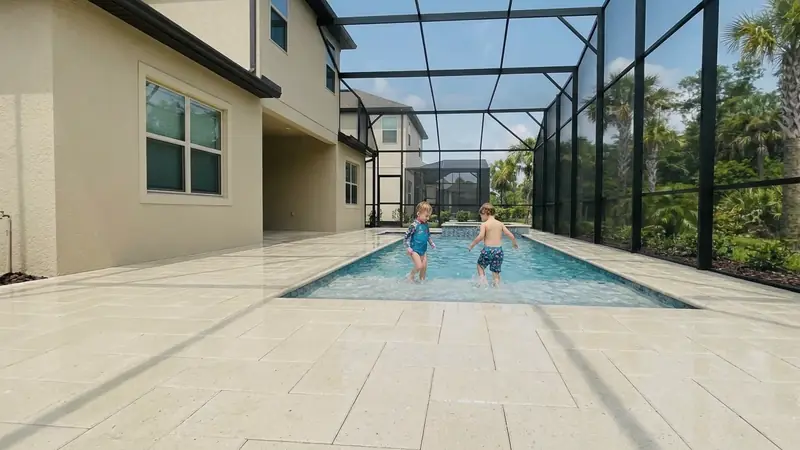
How does the paver stain removal process work?
The process begins with naming each stain, because rust, oil and tannin get different treatments. The contractor tests a hidden spot, treats the mark, rinses and then moves on to washing and drying. If sealing is planned, it goes on last. To get a stain visit on the schedule, call (904) 736-4863.
1. Identify
Color, location and age point to rust, oil or tannin.
2. Test spot
A small hidden area shows how the paver reacts.
3. Treat and rinse
The matching product goes on, then comes off with gentle pressure.
4. Wash and dry
The whole surface is evened out and left to dry.
5. Optional seal
Sealer goes on last, so it does not lock in a missed mark.
Frequently Asked Questions About Paver Stain Removal
Is it good to seal pavers in Florida?
After the stains are gone, yes. Unilock says to clean stains before sealing, because a coat locks them in and can make them more visible. Sealed pavers also shed new spills more easily. To get stains treated and then protected, ask for a free estimate.
How do I remove oil stains from brick pavers?
Water alone rarely moves oil, as a Northeast Florida washing company points out. Unilock says to use dedicated paver cleaners for oil and grease, and the product should be matched to the paver. A contractor tests a small spot before treating the area. To get a driveway drip looked at, call (904) 736-4863.
Is there a pressure washing business in Florida?
Yes, many. Plenty of Florida companies wash pavers and driveways, though paver stain work needs a contractor who treats stains and not only blasts them. Ask what goes on the surface before the wash. To reach a local one, ask for a free estimate.
How much should I pay for paver sealing?
The published range for clean, sand and seal is $1.75 to $3.25 per square foot. Stain treatments are not priced on the pages opened for this site, so ask for them as a separate line. Compare the lines, not only the total. To get a written price, call (904) 736-4863.
Why is paver sealing so expensive?
Because the sealer comes last in a longer job, and stains have to be treated first. Unilock says sealing over a stain can lock it in. Stain work adds time before the coat, and that time is in the price. To see the lines on your quote, ask for a free estimate.
What are the orange stains on my pavers, and will they come out?
Rust, most often. UF/IFAS notes that iron runs high in most Florida well water, and sprinklers leave rust on what they hit. A Northeast Florida washing company says rust needs a rust treatment and rinse, and more pressure makes it worse. To get the marks treated, call (904) 736-4863.
Why do my pavers have dark leaf and pine needle stains?
Tannins soak out of leaves and needles when they sit on damp pavers. The USDA lists longleaf pine, slash pine and water oak as the natural cover on Leon sand, so this kind of litter is normal around here. A washing company says a surface cleaner evens it out, and sealing helps keep it from setting in. Ask about it when you ask for a free estimate.
Will a wire brush get the stain out?
Skip it. Unilock warns that wire brushes leave metal particles that can rust, which turns one stain into several. A contractor uses soft tools and the right cleaner. To see how yours would be handled, call (904) 736-4863.
Can stains be removed and the pavers sealed in the same visit?
Sometimes, if the surface can dry in time. Unilock asks for 24 hours of drying after cleaning and up to 48 hours of dry weather after sealing, so a stained job may take two visits in wet weather. To plan the timing around the forecast, ask for a free estimate.
Request a free paver stain estimate
A local contractor can look at each mark, name the cause and write up the price. Expect a reply within 1 business day.
Free, no obligation